| |
 |
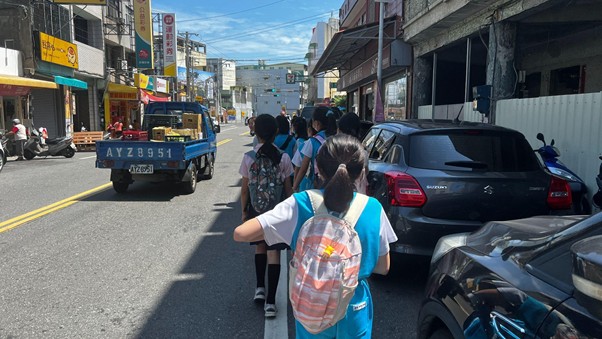
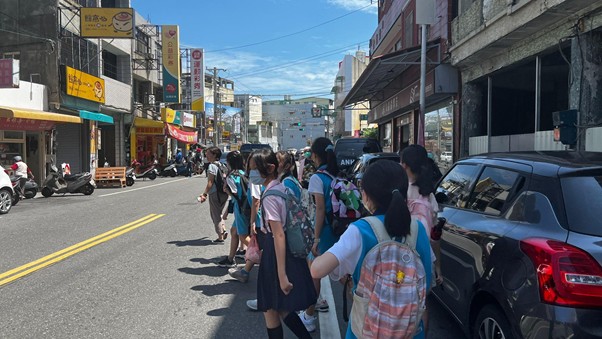
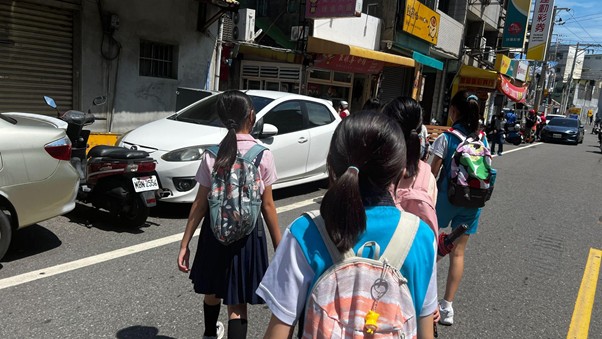
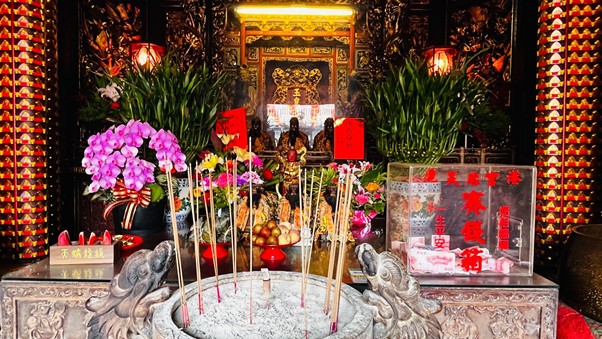
Leaving the City God Temple, our "Sky-Patching Squad" walked along Zhongshan Road to the most heavily incensed temple in Lukang—the Lukang Tianhou Temple. |
 |
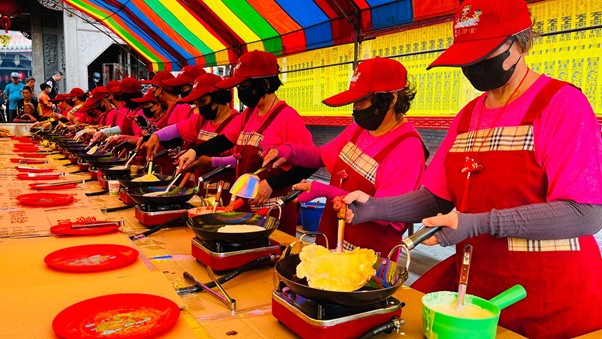
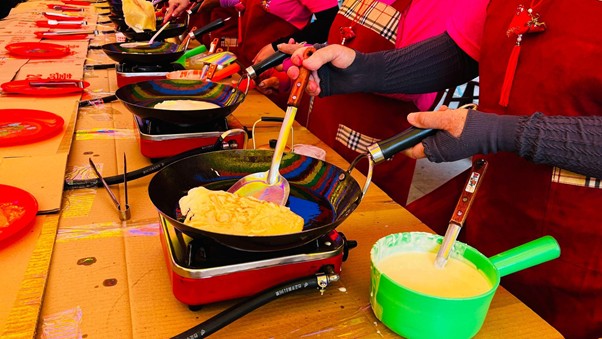
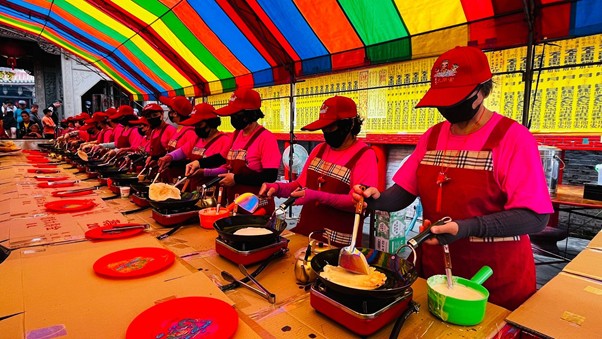
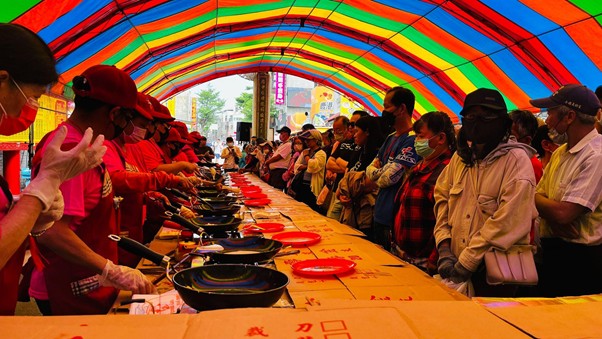
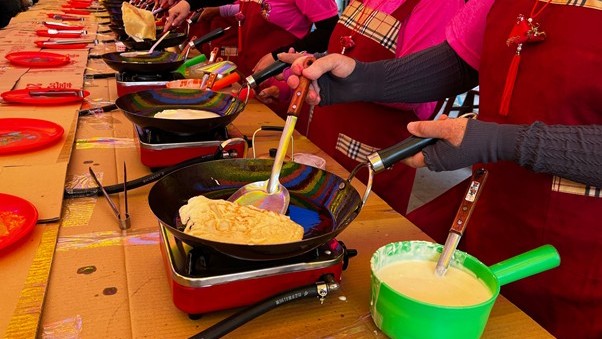
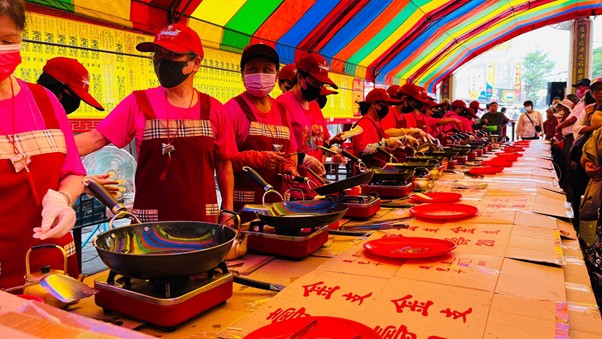
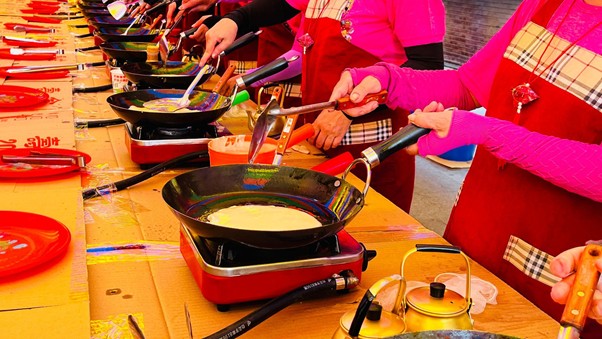
As soon as we stepped into the temple plaza, the first thing that caught our eyes was the massive lineup of Jian Dui. This attracted tourists to line up neatly according to the boilers in front. Right in front of us was the long-awaited Jian Dui, and everyone waited patiently and orderly. |
 |
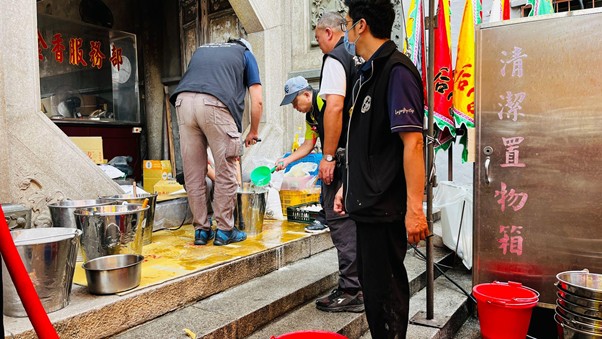
Seeing the familiar ingredient preparation area, similar to the City God Temple, and the scene of professional volunteers busy in and out, the saying "a small temple every three steps, a large temple every five steps" in Lukang shows that having many temples indeed preserves many traditional customs. |
 |
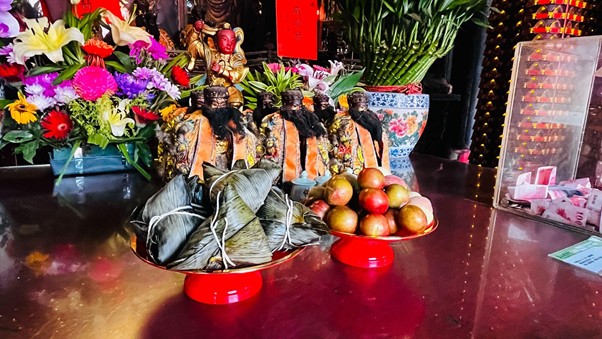
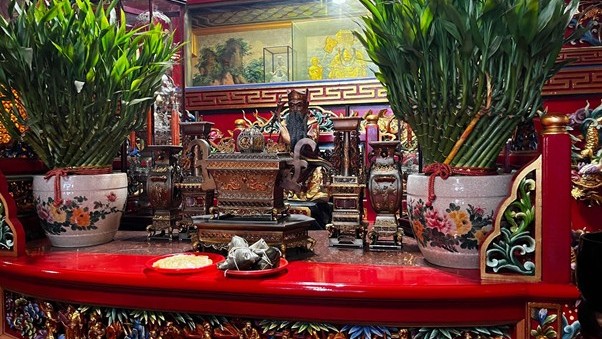
Going inside, the offering tables for the deities had zongzi; the Jian Dui probably hadn't been served yet. I had never noticed before that there were actually peaches and plums. |
 |
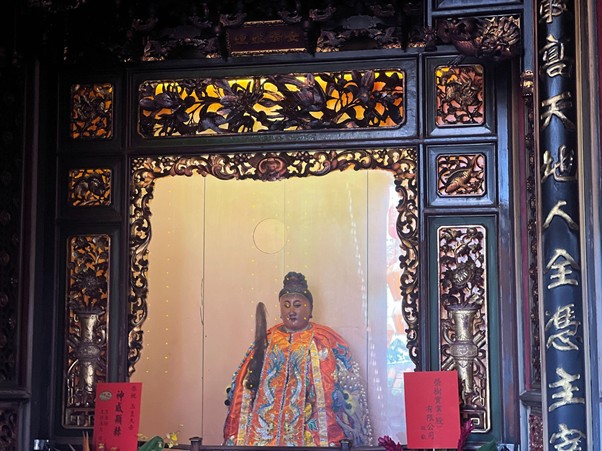
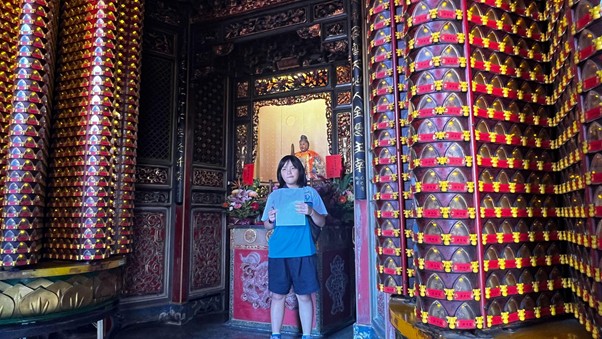
We found the place in the Tianhou Temple where Goddess Nüwa is worshipped. Goddess Nüwa symbolizes the belief in "patching the sky" and the Mother of the Earth. |
 |
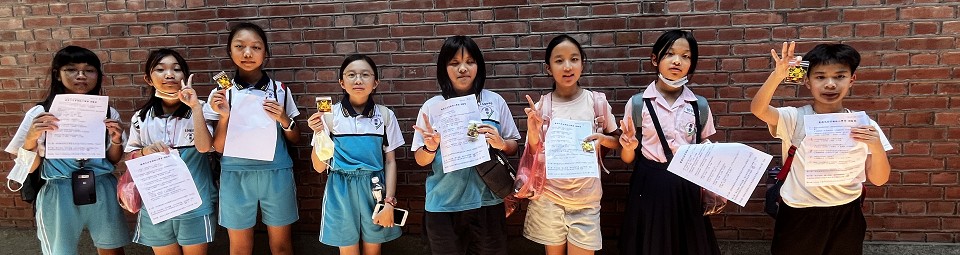
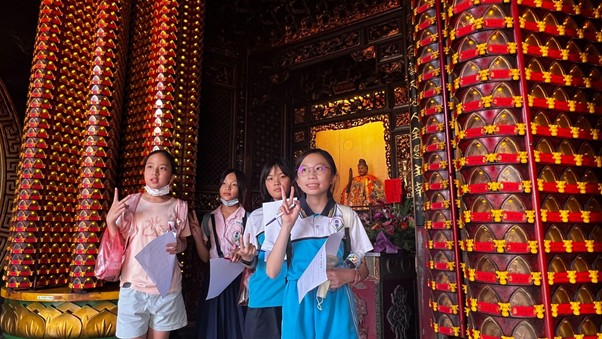
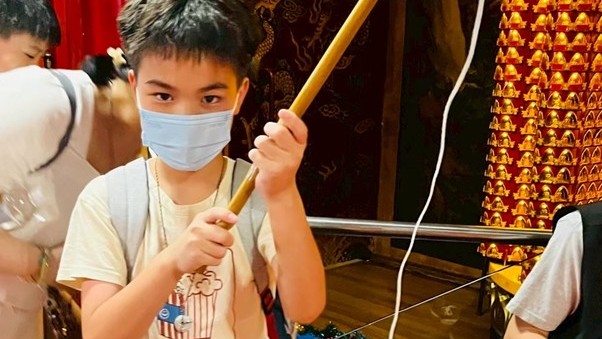
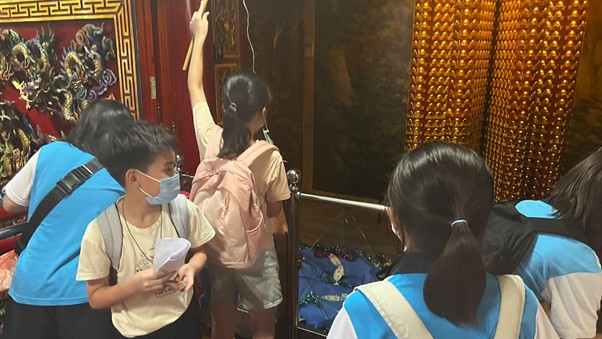
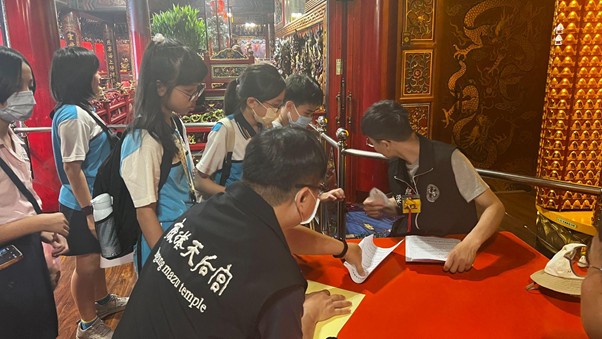
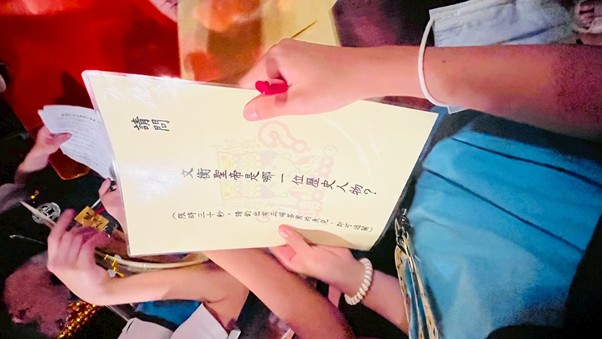
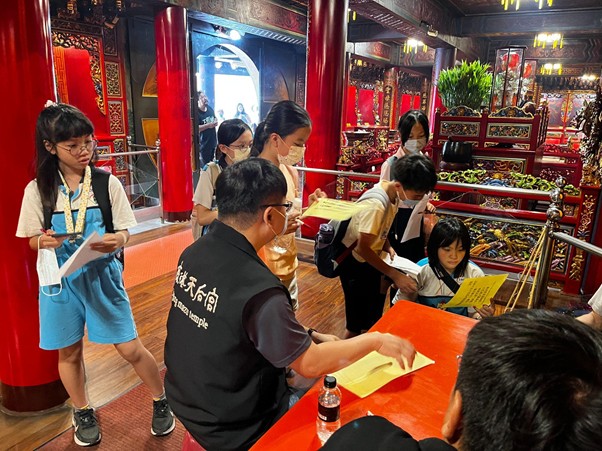
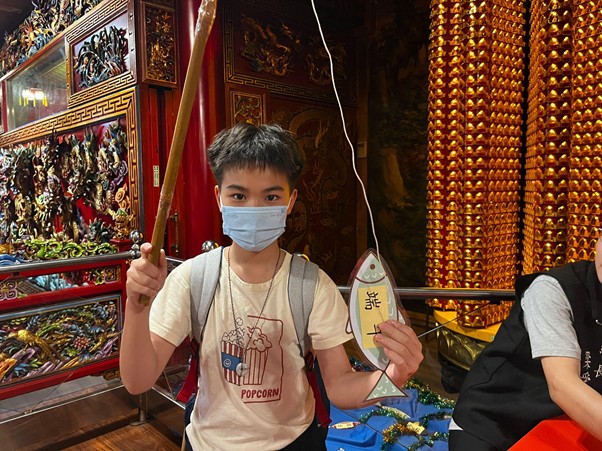
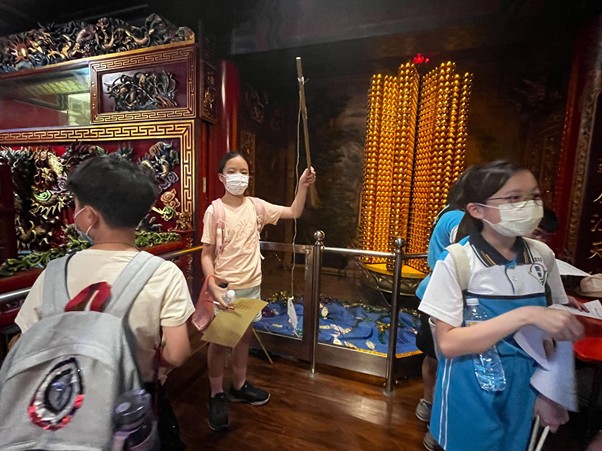
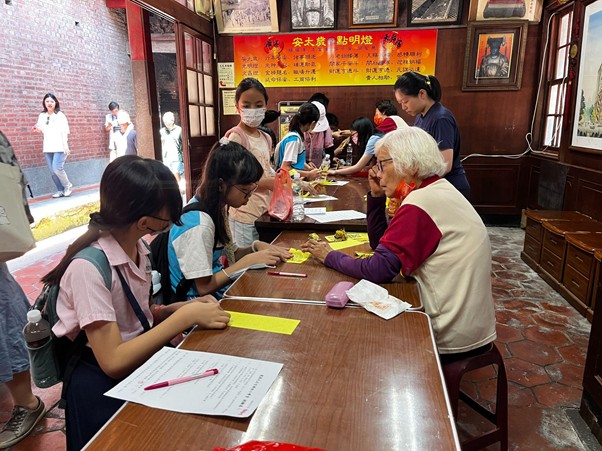
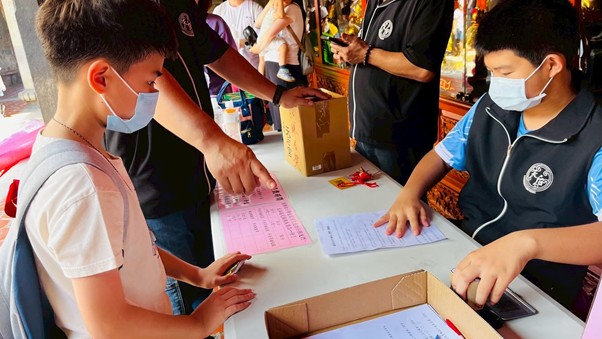
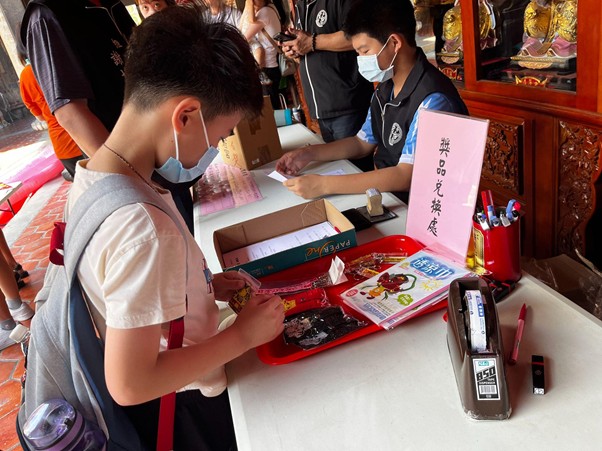
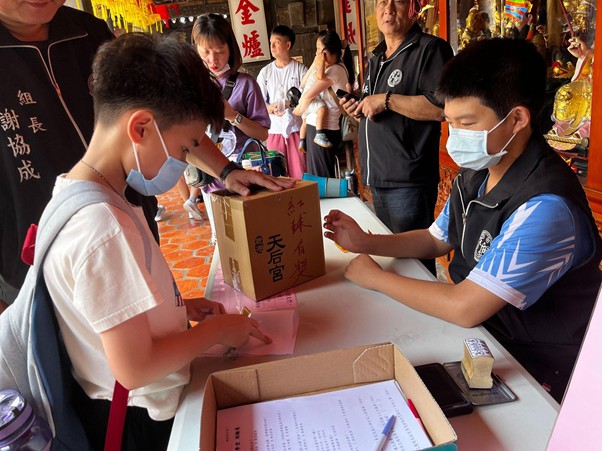
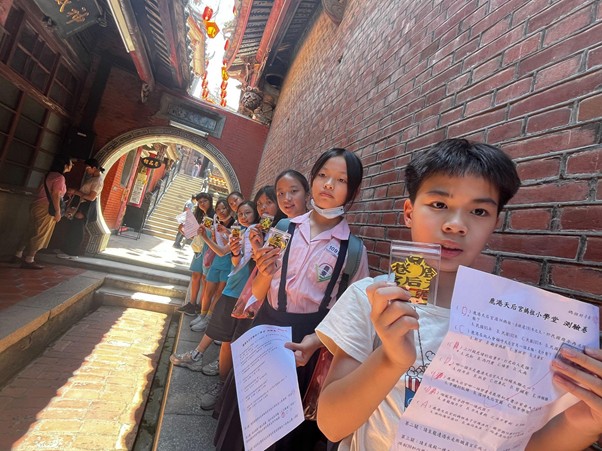
There was a Mazu Little Academy challenge activity inside the Tianhou Temple. In a flash, we grabbed the learning sheets and started playing, relying on our own skills.
|
 |
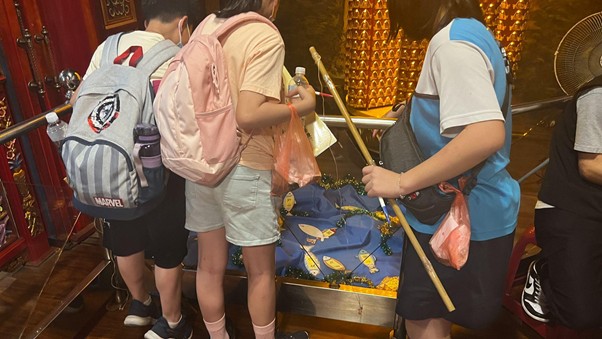
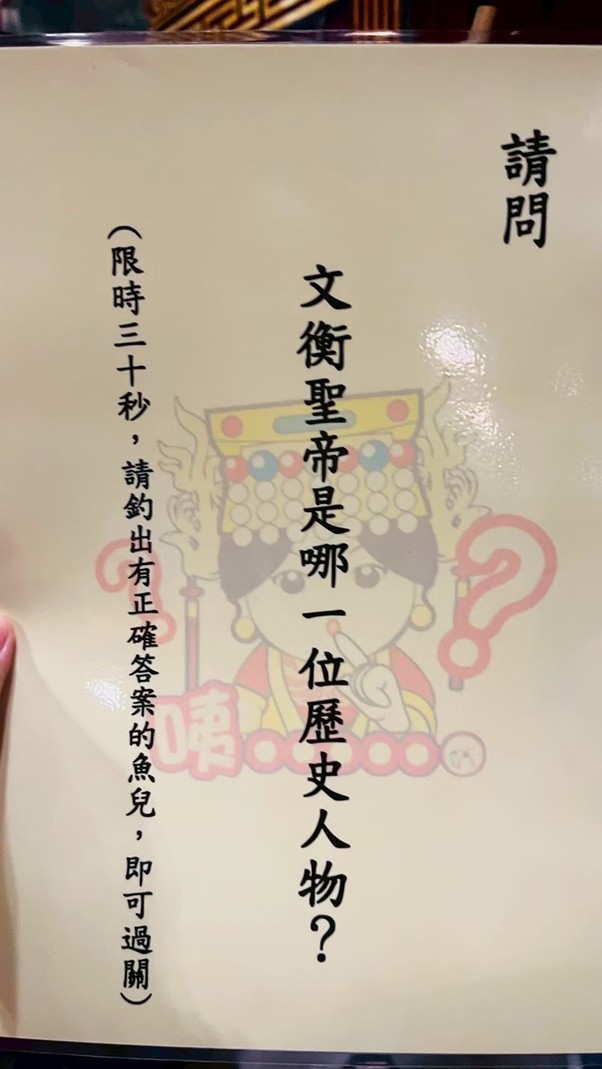
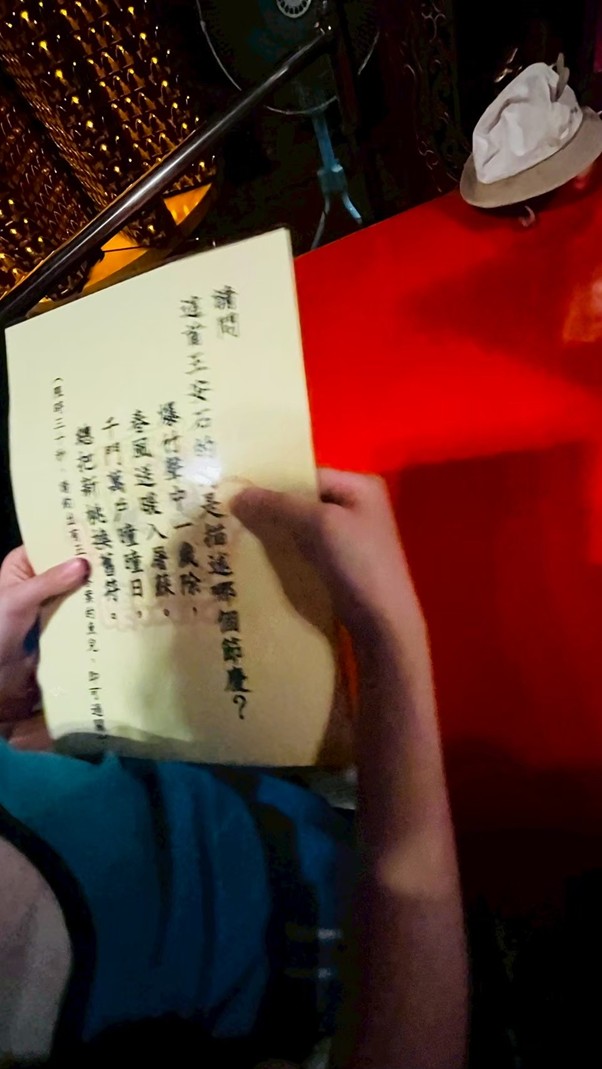
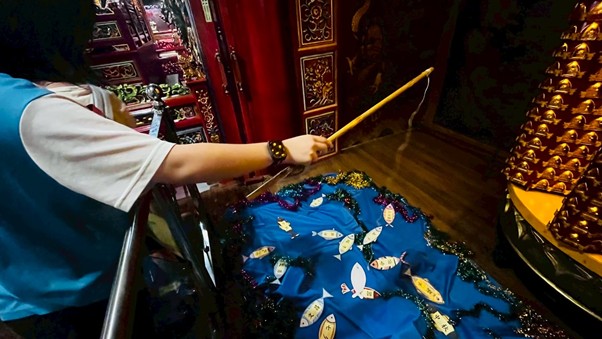
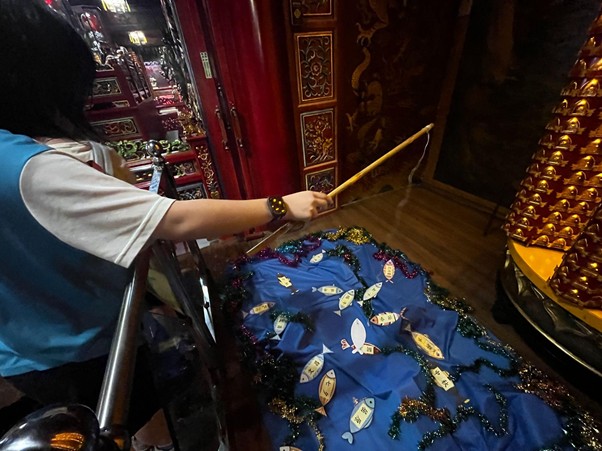
The challenge questions were integrated with a fishing game, combining education with entertainment. Was my question too hard? Which historical figure is the Holy Lord Wenheng (Wenheng Shengjun)? Do you know it? |
 |
Don't be nervous. Look it up online or ask the teachers and elders on site. Although impatient, I fished out the correct answer time after time. It turns out to be Guan Yu (Guan Yunchang), the famous general of Shu Han during the Three Kingdoms period. |
|
Everyone's questions were decided by drawing lots, so the correct fish to catch were different. Anyway, as long as you have patience, you will definitely pass correctly. |
|
As for every Little God Cloth, you can't rely on luck. The volunteers patiently explained and guided us one by one. I felt that the volunteers in charge of this station worked even harder than those making Jian Dui. |
|
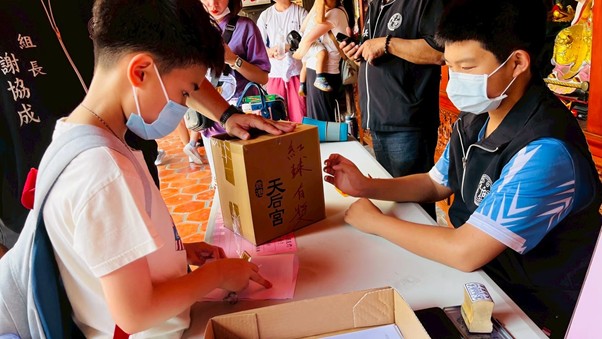
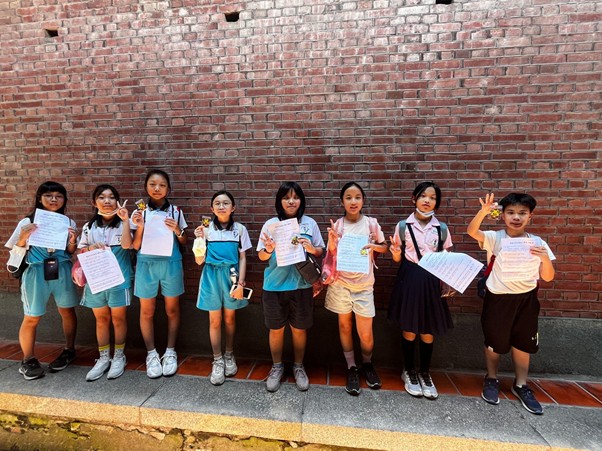
Every station had to be completed to enter the lucky draw, and I was really looking forward to winning the grand prize. |
|
At the Tianhou Temple, I saw the most bustling side of Lukang and heard the voice of traditional food customs striving to be passed down amidst the noise. The aroma of Jian Dui mixed with the incense of the Mazu temple; this is the most authentic "Lukang flavor" in my heart. |
|
| |
|