| |
| Red Thinking Hat: Eating Jian-dui is a Representative Custom of the Lukang Dragon Boat Festival |
|

|
Red Thinking Hat: Red is a warm and passionate color, representing intuition and emotion. It focuses on feelings, sensations, impressions, and intuition during the thinking process.
|
|
 |
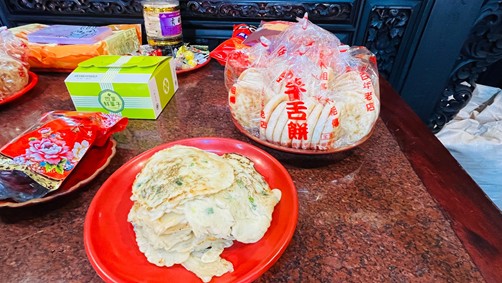
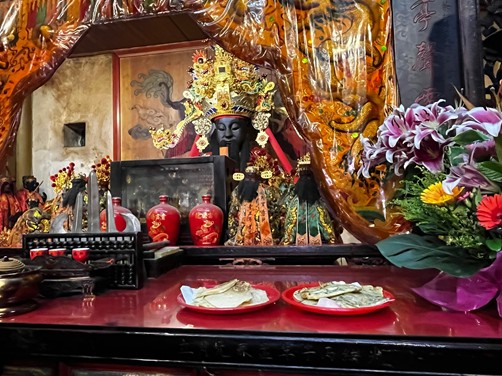
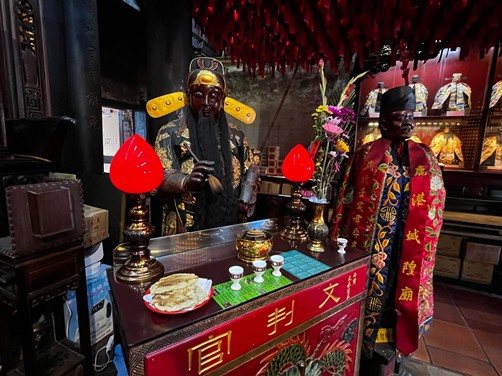
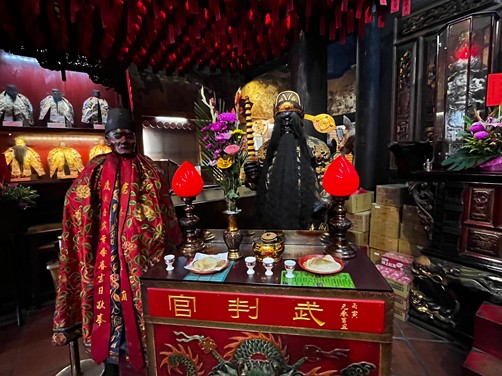
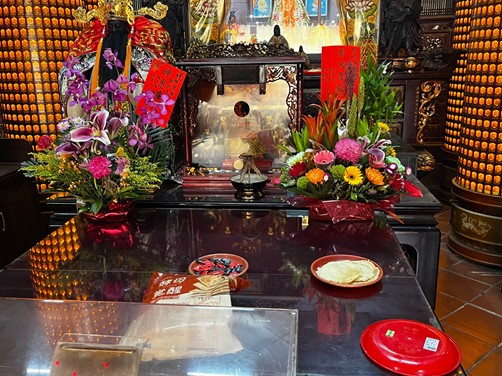
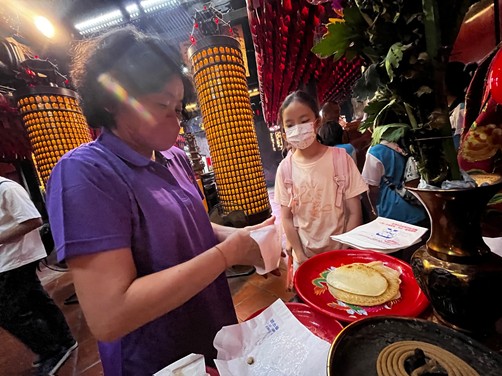
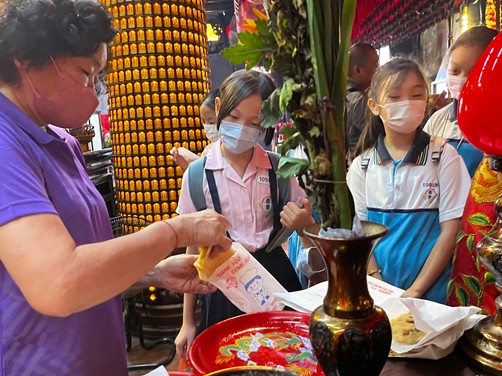
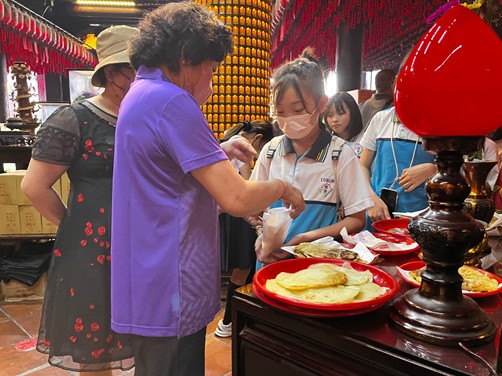
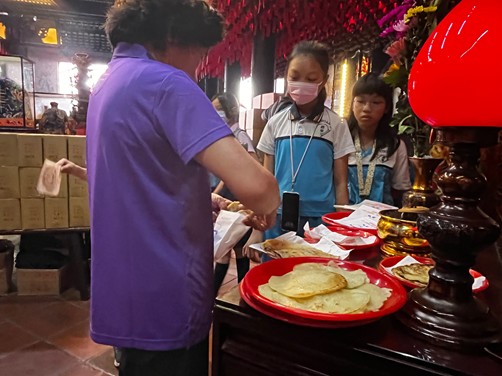
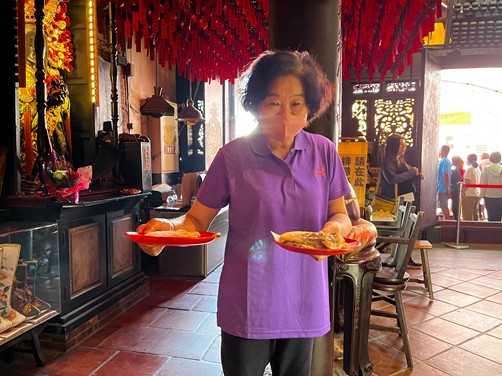
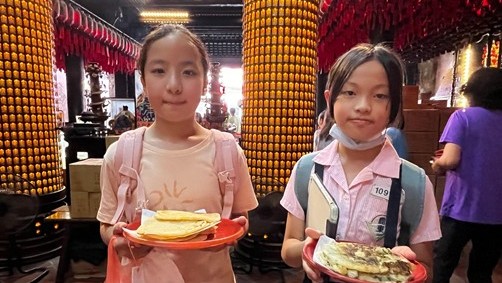
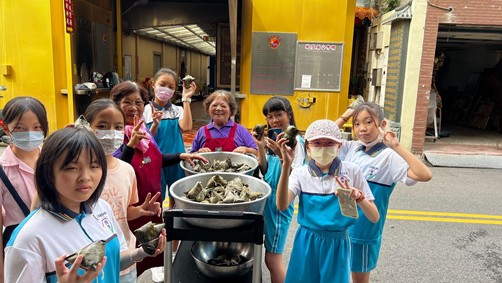
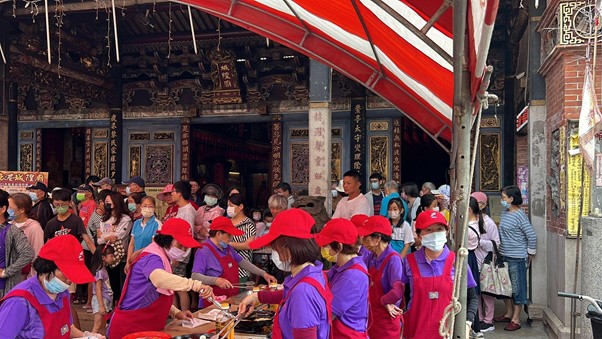
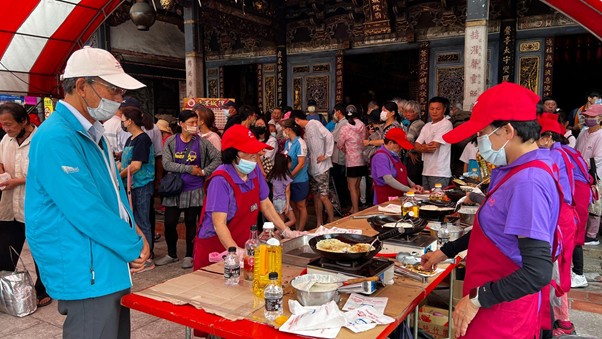
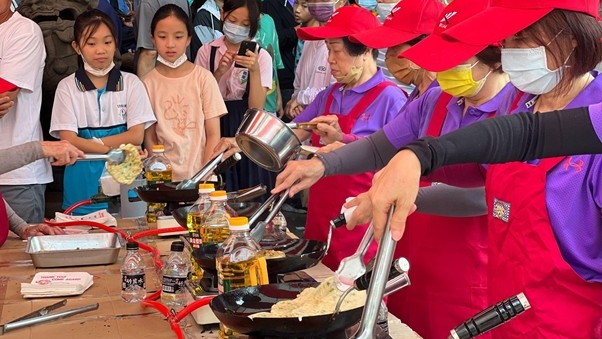
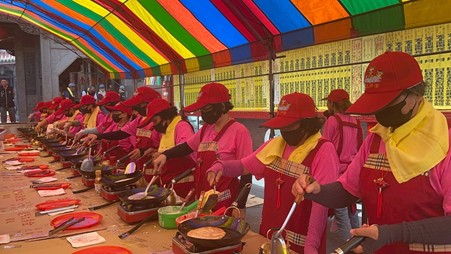
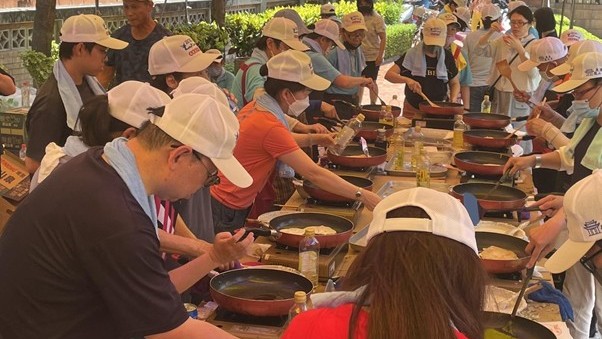
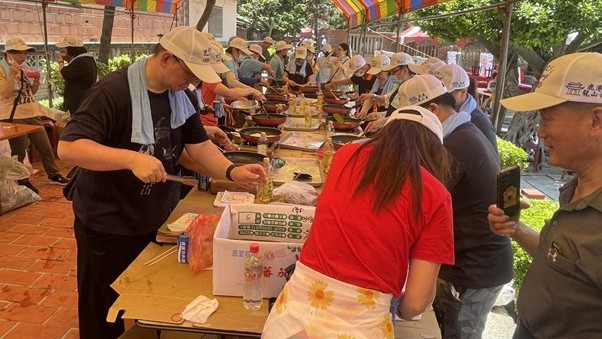
"It doesn't feel like the Dragon Boat Festival until you've eaten Jian-dui!" For Lukang locals, the daily routine during the festival is for every household to make their own Jian-dui. To let tourists visiting Lukang during the holiday taste this local flavor, temples like the Tianhou Temple, Xinzu Temple, Longshan Temple, and Chenghuang Temple also offer free Jian-dui for visitors to enjoy. At the same time, Jian-dui is also considered food for the gods. |
 |
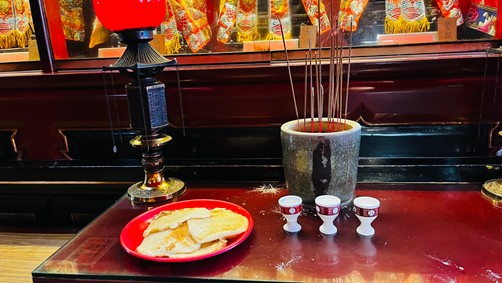
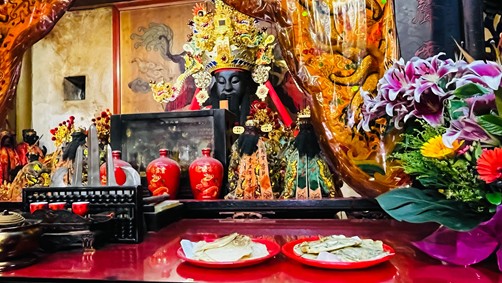
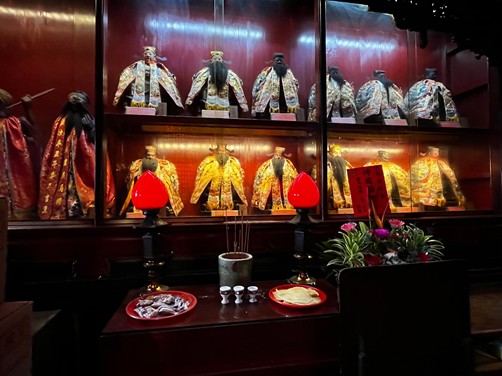
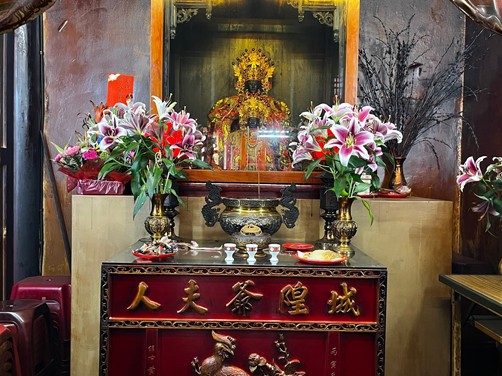
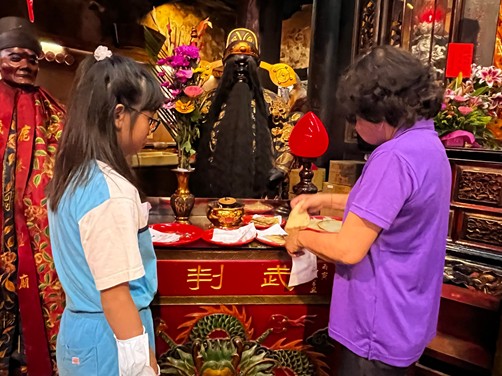
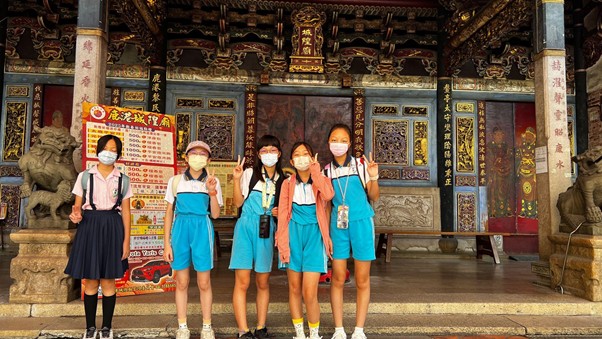
Inside the Chenghuang Temple, a plate of Jian-dui is placed in front of every deity to let the gods celebrate the Dragon Boat Festival too. This shows that Jian-dui is a highly representative custom of the Lukang Dragon Boat Festival, possessing a unique cultural identity.
|
 |
The legend of "Nuwa Mends the Heavens" elevates Jian-dui from a simple snack into a cultural symbol for praying for favorable weather and a bountiful harvest. Every plate of Jian-dui comes from the selfless dedication of volunteers, using their actions to express gratitude for the gods' protection.
|
 |
For many Lukang locals, Jian-dui represents childhood memories and the taste of family reunions. That simple aroma of flour and ingredients can instantly evoke a deep, nostalgic feeling of the good old days. |
 |
Jian-dui holds significant cultural and religious meaning during the Lukang Dragon Boat Festival. They are not only used as offerings to worship the gods, but they also serve as a hometown flavor that brings Lukang people together and cures their homesickness. Therefore, Jian-dui is more than just food; it represents blessings and respect, connecting the people of Lukang with their cultural heritage. |
 |
It turns out that eating Jian-dui isn't just about having a snack during the Dragon Boat Festival; it also carries the gods' love, blessing us with good weather. I sincerely hope that this tradition, so full of sacredness and blessings, can be passed down forever and ever. I want every future Lukang child to be able to eat this "peace" during the Dragon Boat Festival, feeling the warmth and blessings of being loved by the gods and the elder volunteers. |
|
| |
|