| |
| White Thinking Hat: In Taiwan, Jian-dui is Exclusive to Lukang During the Dragon Boat Festival |
|

|
White Thinking Hat: White is a neutral color, symbolizing neutrality and objectivity. It represents the process of gathering neutral, objective facts and figures, such as evidence, data, and information.
|
|
 |
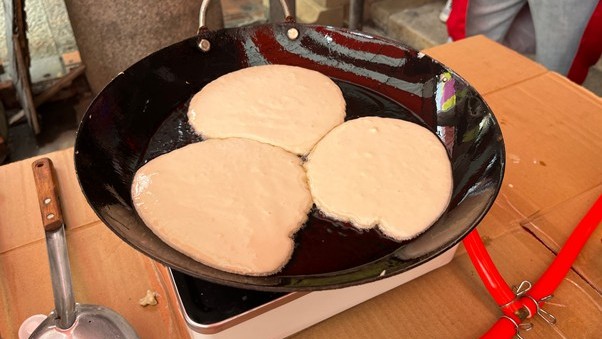
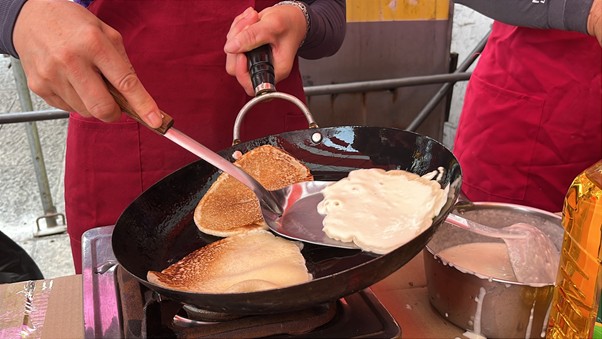
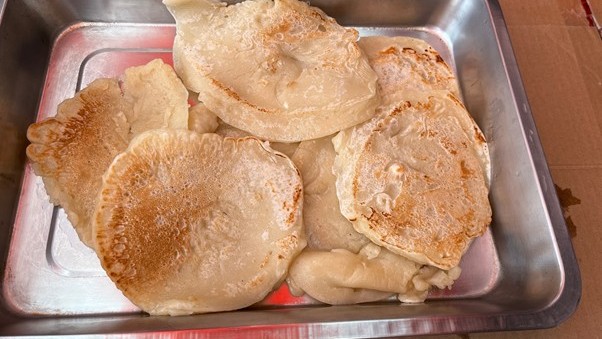
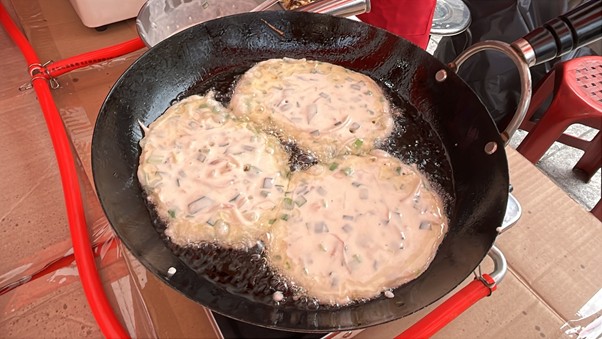
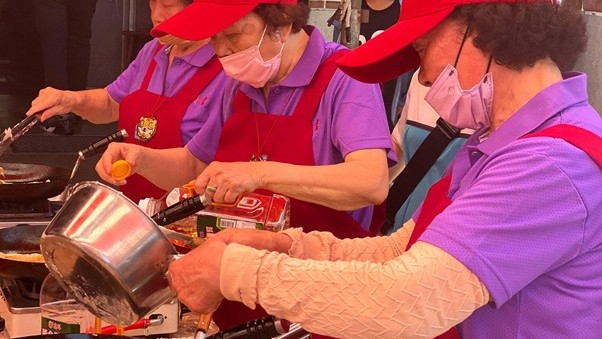
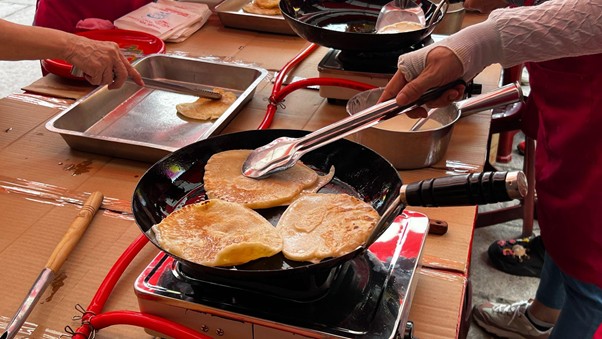
Lukang Jian-dui is a pancake-like snack made from a batter of flour or glutinous rice flour. It is mixed with ingredients like chives, bean sprouts, fresh oysters, or Coquina clams (Xi-shi-she) and pan-fried until golden brown. The texture is soft and chewy, similar to an oyster omelet. People in Lukang usually make it themselves (DIY) or offer it for worship around the Dragon Boat Festival. There are two main flavors: savory (with seafood) and sweet (with sugar or flour tea). |
 |
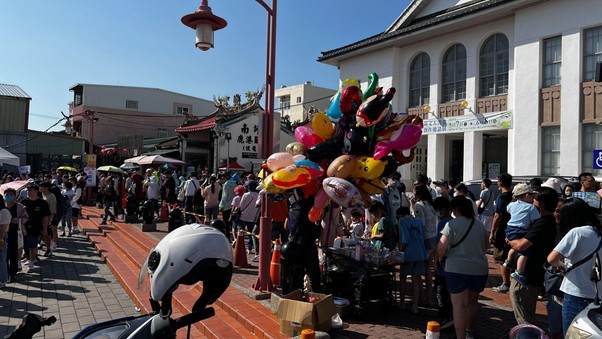
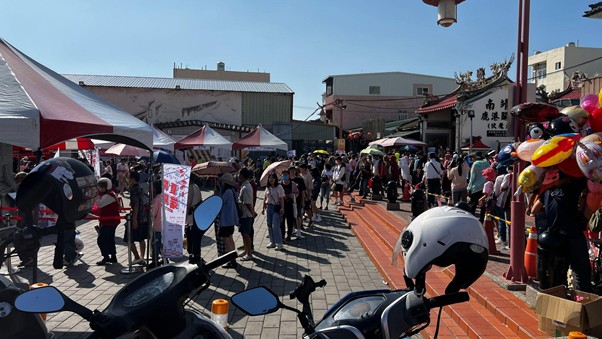
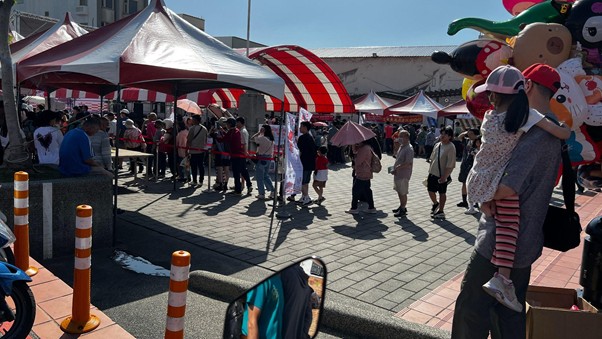
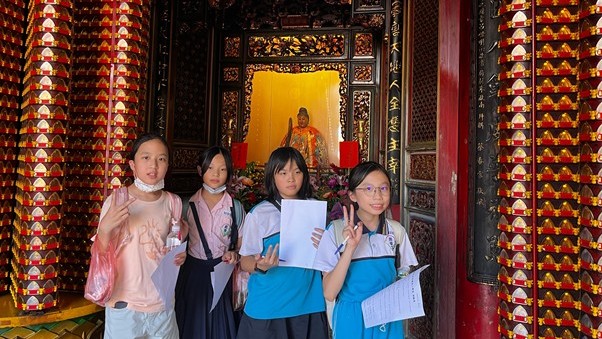
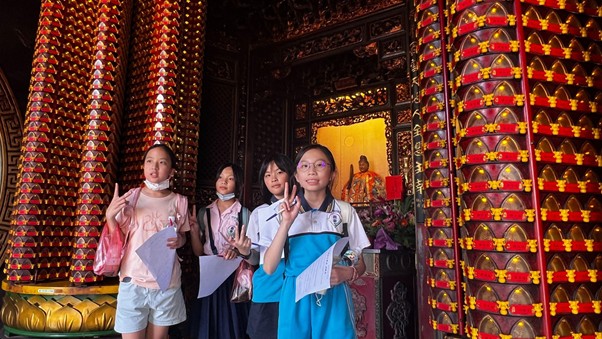
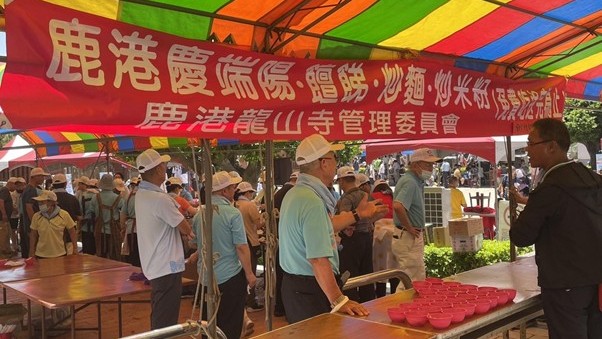
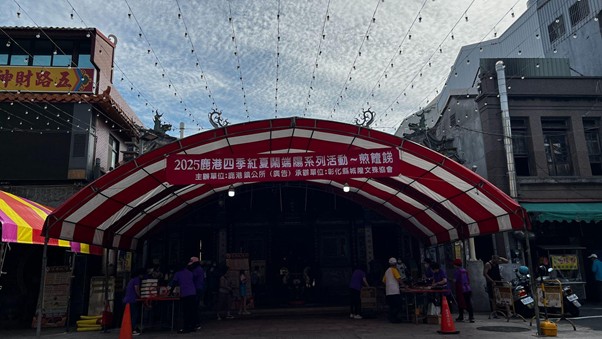
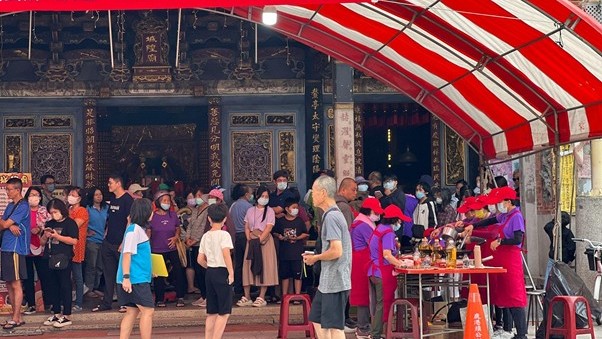
During the Dragon Boat Festival, people in Lukang don't just eat Zongzi (sticky rice dumplings); they also eat Jian-dui, which is typically only available around this time of year. Locals use Jian-dui to worship the gods, and temples also prepare them for the public to claim for free. During the festival holiday, there are long lines not only at the Lukang Assembly Hall but also at the Chenghuang Temple, Tianhou Temple, and Xinzu Temple. Crowds of people flock to these locations to get their free Jian-dui.
|
 |
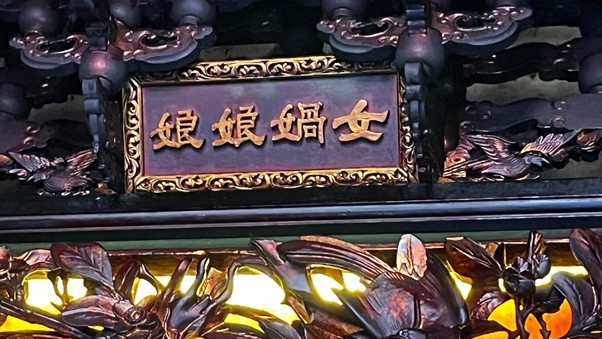
Lukang Jian-dui is a traditional delicacy "limited" to the Dragon Boat Festival in Lukang, Changhua. According to legend, it is related to the story of "Nuwa Mends the Heavens" and is used to pray for favorable weather.
|
 |
The Dragon Boat Festival coincides with the "Plum Rain" season (East Asian rainy season). Ancient people believed that the continuous rain meant "the sky had a hole in it." The act of mixing flour with water to make a paste and frying it into round pancakes symbolizes the multi-colored stone paste used by the goddess Nuwa to repair the sky. |
 |
The accent spoken by Lukang locals still retains a strong Quanzhou tone. This is because Lukang was one of the densest settlements for early immigrants from Quanzhou, China. They brought not only the Mazu faith but also their hometown culinary habits intact to Lukang. Since Lukang is relatively closed-off and values tradition, this ancient Quanzhou custom—which may have disappeared in modernized cities like Tainan or Taipei—has been completely preserved here. This explains why it is said that "in all of Taiwan, only Lukang has this." |
|
| |
|